Category Myths & Mysteries
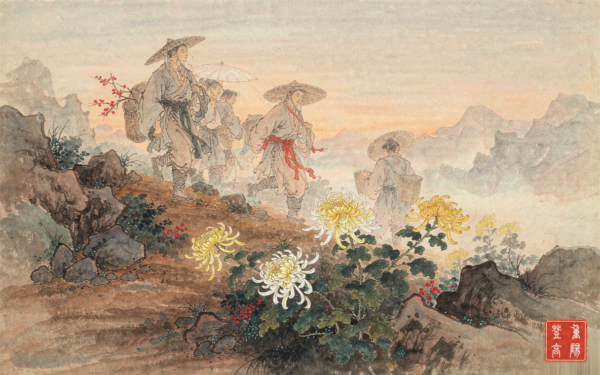
A plague demon, a fortune-teller’s warning, and a village saved by climbing a mountain: the 2,000-year-old legend behind the Double Ninth Festival. Meet Huan Jing, and learn why millions of Chinese families still climb hills and drink chrysanthemum wine every October.
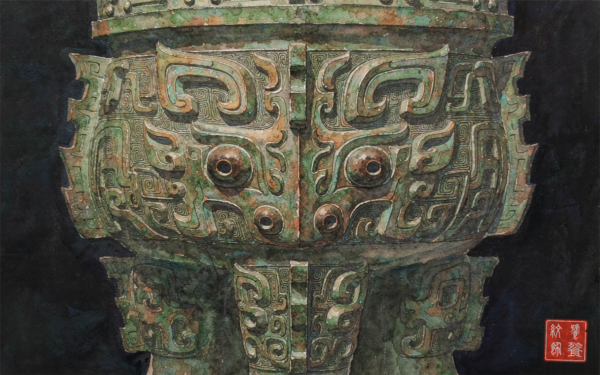
Stare at a 3,000-year-old Chinese bronze and a monster stares back. This is the taotie: the gluttonous face on ancient ritual vessels, a beast that ate people, got eaten by its own appetite, and ended up guarding the family dinner table.
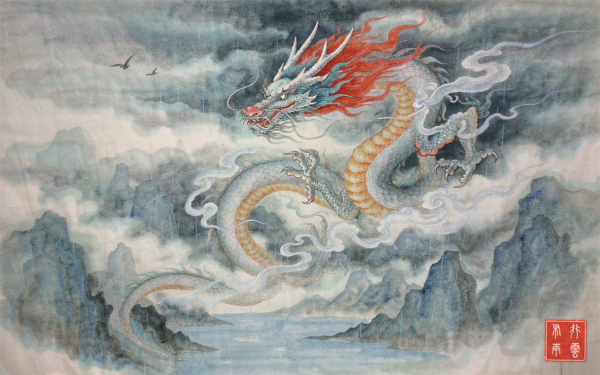
The Chinese dragon hoards no gold and kidnaps no princesses – it decides when the rain comes. Meet the loong: nine animals stitched into one river god, an emperor’s emblem, and the friendliest monster in world mythology.
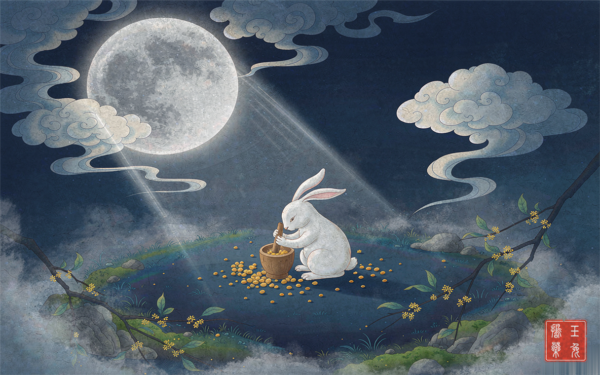
Look at the full moon and most Chinese children see not a face but a rabbit — pounding the elixir of immortality for 2,000 years. Three origin stories, three countries’ worth of moon lore, and the lunar rovers named after it.
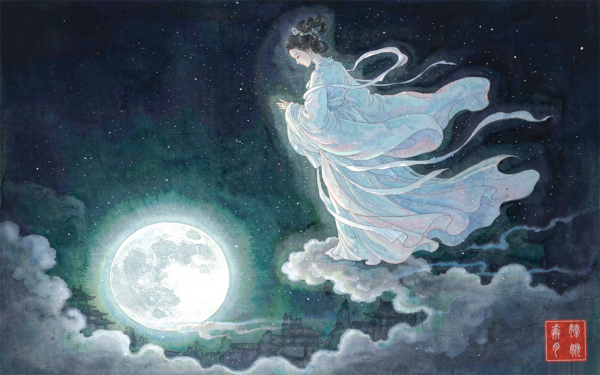
Two thousand years ago, a Chinese goddess swallowed an elixir of immortality and flew to the moon — alone, forever. The story of Chang’e, the regret at the heart of the Mid-Autumn Festival, and why China’s lunar missions carry her name today.
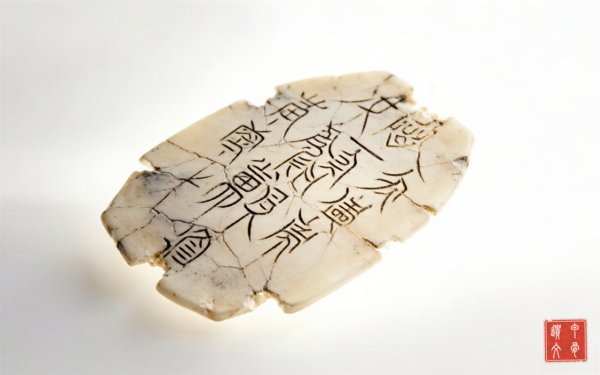
Oracle bone script is China’s earliest mature writing, carved into turtle shells 3,300 years ago — and it was not found by archaeologists, but by a malaria patient in a medicine shop. Every character is a picture. It never died: today’s Chinese characters are its descendants.
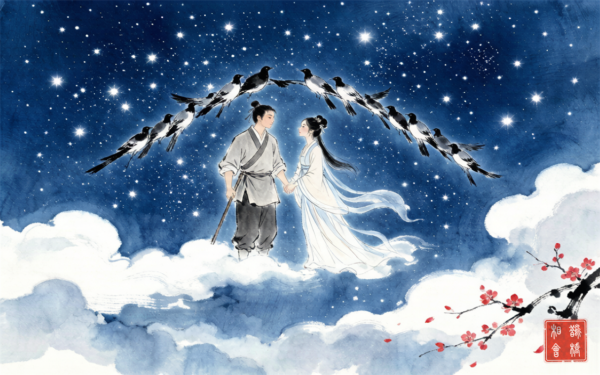
Once a year, magpies bridge the Milky Way so two star-crossed lovers can meet. Qixi is China’s original love story — 2,000 years old, older than Valentine’s Day, and still celebrated on the seventh night of the seventh moon.